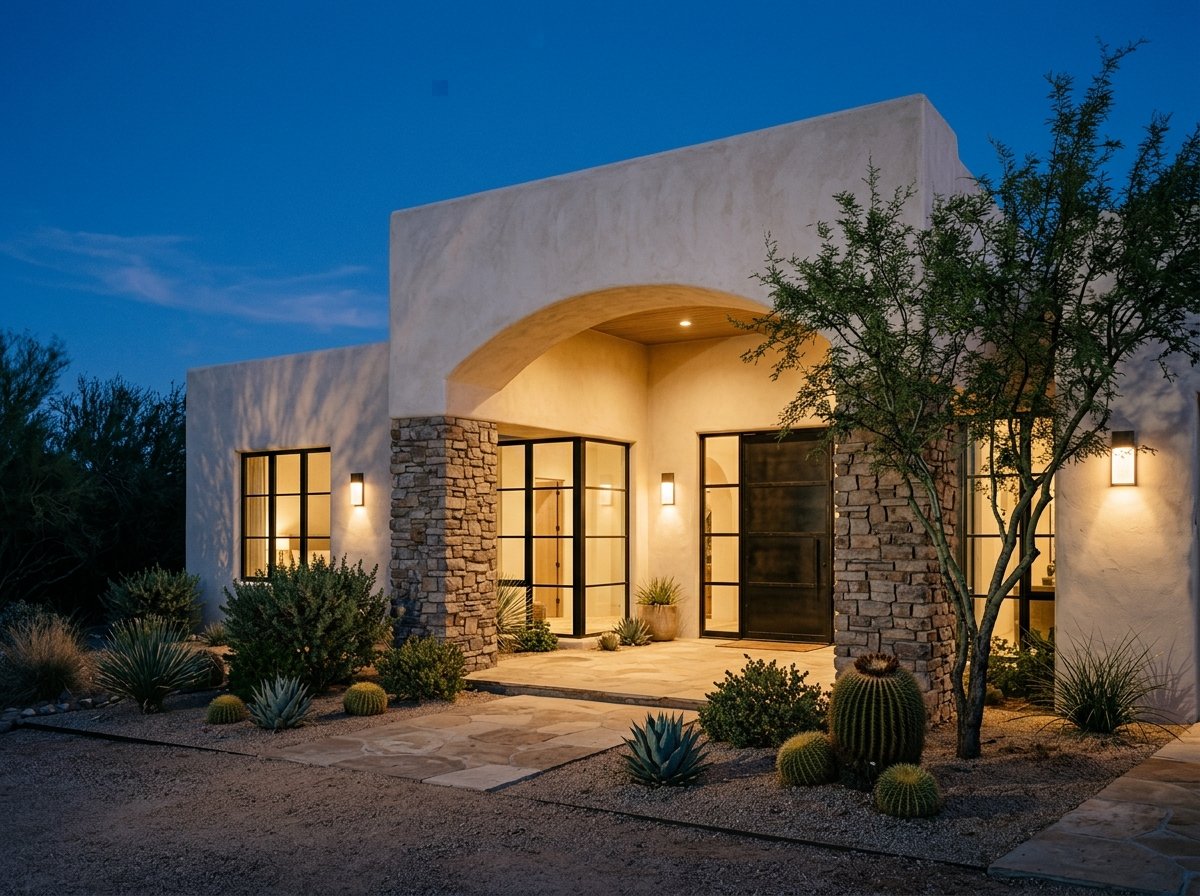
Wondering what it’s really like to relocate to Catalina Foothills? If you are moving from out of town, the views may grab your attention first, but the day-to-day details are what shape whether a move feels smooth or stressful. This guide will help you understand how Catalina Foothills is laid out, what daily life can look like, and which due diligence steps matter most before you buy. Let’s dive in.
Why Catalina Foothills Feels Different
Catalina Foothills is a Pima County planning area and census-designated place with 52,401 residents as of the 2020 Census. It stands out as a more ownership-heavy, higher-priced market than the City of Tucson, with a 76.4% owner-occupied rate and a median owner-occupied home value of $652,000.
For comparison, Tucson’s owner-occupied rate is 51.8%, and its median owner-occupied home value is $266,200. In practical terms, that means many buyers moving to Catalina Foothills are shopping for location quality, privacy, views, and long-term fit, not just square footage.
The area also has a distinct demographic profile. Census data show 34.3% of residents are age 65 and older, 15.6% are under 18, and median household income is $115,304. That does not define your experience, but it does help explain why the housing stock, buyer expectations, and pricing often feel different here than in other parts of greater Tucson.
How To Think About Catalina Foothills Areas
One of the first surprises for relocating buyers is that Catalina Foothills is not neatly divided into formal neighborhoods the way some master-planned communities are. Pima County treats planning areas as geographic units shaped by watersheds and natural boundaries, so your search is often easier if you think in terms of practical house-hunting bands instead of official district names.
On county planning maps, you will see labels and corridors such as Sunrise, Skyline, Campbell, Swan, Craycroft, Kolb, Tanque Verde, Catalina Highway, Sabino Canyon Road, and the Oracle and Northern approaches. Buyers often compare these areas based on commute patterns, canyon access, and proximity to shopping and services.
Southern foothills feel
If you are prioritizing quicker access to everyday errands and major routes, southern parts of the foothills may feel more convenient. These areas can be appealing if you want easier in-and-out access while still being in the foothills market.
Central foothills balance
Central foothills areas often appeal to buyers trying to balance access, views, and a sense of separation from busier parts of town. Depending on the property, you may find a mix of established subdivisions, custom homes, and varying lot topography.
Eastern and northeastern foothills access
If canyon proximity or mountain orientation is high on your list, eastern and northeastern sections may deserve extra attention. These areas can feel especially tied to desert terrain, washes, and hillside conditions, which makes lot-specific due diligence even more important.
Commute Expectations And Daily Driving
Catalina Foothills has a mean commute time of 22.0 minutes, according to Census QuickFacts. That may sound manageable on paper, but your actual experience will depend heavily on your exact address, your route, and the times you typically travel.
Public transit is limited. Pima County says Sun Tran serves only limited areas of unincorporated county, and Sun Shuttle provides rural transit service in Catalina, so most relocating buyers should expect a largely car-based lifestyle.
That is why test-driving your routine matters so much. Before you commit to a home, it is smart to drive your likely commute, errand loop, and any school drop-off route during the times you would actually use them.
Climate And Seasonal Reality
Catalina Foothills offers the desert scenery many buyers want, but the climate deserves real planning. The National Weather Service in Tucson reports annual normals of 84.0 degrees for the high and 57.3 degrees for the low, with average annual rainfall of 10.61 inches.
Summer is a major adjustment for many newcomers. July averages 100.2 degrees for the high and 76.3 for the low, while August averages 98.6 and 75.2. Tucson also averages 68 days each year at 100 degrees or warmer.
What monsoon season means
The monsoon runs from June 15 through September 30, according to the National Weather Service. It is considered the most dangerous weather period of the year in Arizona because hazards can include flash floods, dust storms, lightning, wildfires, tornadoes, and extreme heat.
If you are planning a summer scouting trip, aim for outdoor home tours earlier in the day when possible. The National Weather Service also recommends shifting strenuous outdoor activity to cooler parts of the day, especially early morning.
Property Due Diligence Matters More Here
In Catalina Foothills, the lot can be just as important as the house. County maps identify flood control resource areas and major washes in the planning area, so drainage, wash setbacks, and downstream runoff should be part of your review for hillside, canyon-adjacent, or custom-lot properties.
Pima County has also warned that the Bighorn Fire increased flash-flood and mudflow risk in the foothills of the Catalina Mountains, especially for properties next to downstream washes. That means flood history and insurance are not side issues. They should be central parts of your buying decision.
Views, height, and future build questions
Catalina Foothills special-area policy S-02 applies to land north of River Road, west of Sabino Creek, south of Coronado National Forest, and east of Oracle and Northern. In that area, no building over 24 feet is permitted without Board authorization.
For you as a buyer, that matters because view corridors, lot position, and nearby build potential can affect both enjoyment and resale. A beautiful view today is only part of the story. You also want to understand what surrounding lots may or may not support over time.
Subdivision reports and disclosures
Arizona’s Department of Real Estate says a subdivision Public Report must disclose items such as flooding and drainage, adjacent land uses, utility providers, common facilities, local services, taxes and assessments, and property owners association details. If you are buying in a subdivision, this report is one of the most useful orientation tools you can review.
It helps you move beyond the listing photos and understand how the property functions in context. In an area like Catalina Foothills, that context can strongly affect future use, comfort, and resale appeal.
HOA Rules Can Shape Your Experience
If a home is in an HOA-governed subdivision, do not treat the HOA documents as a formality. The Arizona Department of Real Estate says CC&Rs can restrict landscaping, RV parking, play equipment, satellite antennas, and other common amenities.
That matters in a market where many buyers care about exterior presentation, view preservation, and architectural consistency. You want to know the rules, fees, architectural controls, and enforcement practices before closing, not after you have already made plans for the property.
ADRE also notes that it does not regulate HOAs directly. Arizona’s HOA dispute process is an alternative to civil court, which is one more reason to read the fine print early.
School Boundary Planning
If school access is part of your relocation decision, verify school assignment by property address rather than assumption. Catalina Foothills School District uses boundary maps built around specific streets and natural boundaries.
The district also offers open enrollment only if the receiving school has capacity, and transportation for open-enrolled students remains the family’s responsibility. In other words, a home’s address can carry practical importance, and it is worth confirming that detail before you write an offer.
What Often Supports Resale Value
Because Catalina Foothills already trades at a notable premium compared with Tucson overall, resale analysis should focus on features that are harder to replicate. That includes clear school-boundary information, lot usability, drainage exposure, HOA burden, and view protection.
A beautifully updated interior can absolutely matter, but in this market, location quality often carries equal or greater weight. The lot, the siting, and the surrounding conditions can be just as important to long-term value as finishes and fixtures.
This is where a thoughtful, design-aware buying approach can help. A home may photograph beautifully, but the smartest relocation choices usually come from looking at the full picture: how the home lives, how the lot functions, and how the property may perform over time.
If you are planning a move to Catalina Foothills and want a practical, detail-focused approach, Lisa Ambroziak can help you compare areas, evaluate property fit, and move forward with confidence.
FAQs
What is Catalina Foothills like compared with Tucson?
- Catalina Foothills is generally a more ownership-heavy and higher-priced market than Tucson, with a 76.4% owner-occupied rate and a median owner-occupied home value of $652,000, compared with Tucson’s 51.8% owner-occupied rate and $266,200 median owner-occupied home value.
How should buyers compare areas in Catalina Foothills?
- Instead of relying on formal neighborhood names, many buyers compare practical bands of the foothills based on commute access, canyon proximity, and closeness to shopping and services.
Is Catalina Foothills a car-dependent area?
- For most residents, yes. Public transit service is limited in unincorporated county areas, so most relocating buyers should expect to rely primarily on a car for commuting and daily errands.
What weather risks matter in Catalina Foothills?
- Summer heat is significant, and monsoon season from June 15 through September 30 can bring flash floods, dust storms, lightning, wildfires, tornadoes, and extreme heat.
What property issues should buyers check in Catalina Foothills?
- Buyers should pay close attention to drainage, wash setbacks, downstream runoff, flood history, insurance considerations, HOA rules, and any subdivision Public Report disclosures.
How do school assignments work in Catalina Foothills?
- School assignment should be verified by address with the district, since boundaries follow specific streets and natural features, and open enrollment depends on school capacity and family-provided transportation.
