Thinking about buying in Oro Valley and wondering whether an HOA fits your lifestyle or if you’d prefer no HOA at all? You’re not alone. Many buyers here weigh convenience, amenities, and curb appeal against flexibility, monthly dues, and fewer rules. In this guide, you’ll learn how HOAs in Oro Valley work, what living outside an HOA looks like, and how to make a confident choice based on your goals. Let’s dive in.
Oro Valley living at a glance
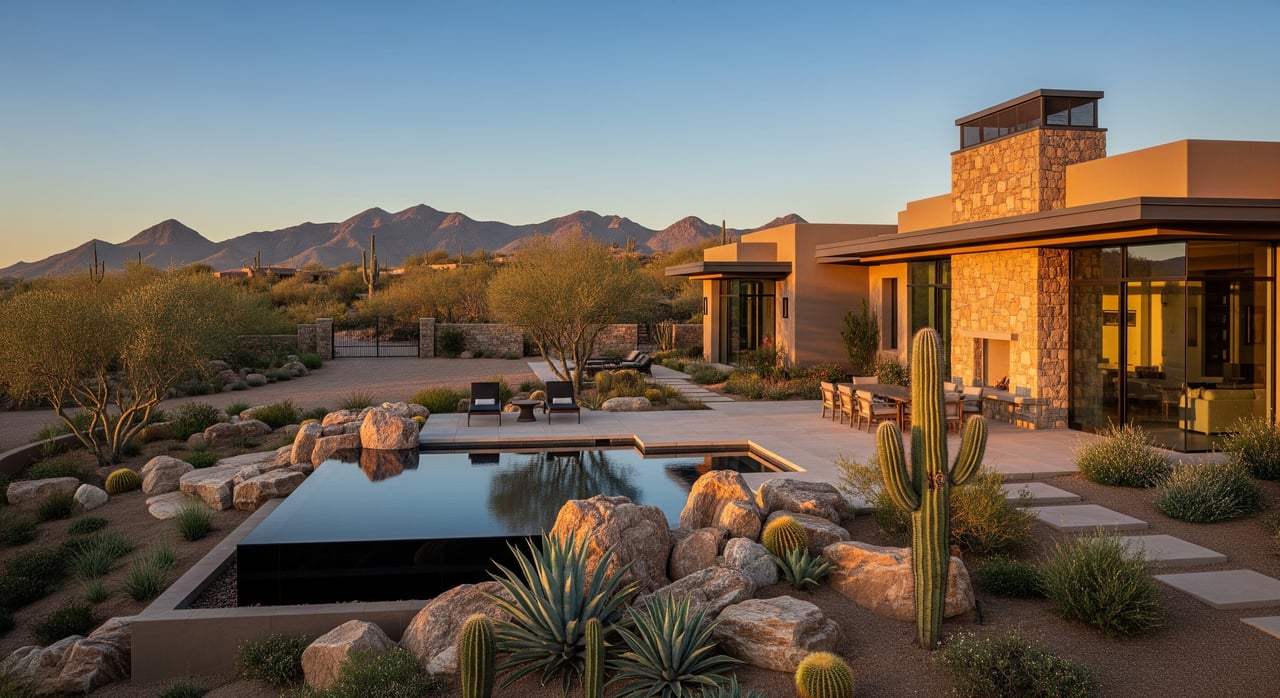
Oro Valley sits on the northern edge of the Tucson metro with mountain views, desert landscapes, and a mix of master-planned neighborhoods and non-HOA pockets. You’ll find gated golf communities, active-adult and resort-style developments, and also smaller subdivisions or rural parcels without HOA oversight. Your decision often comes down to how much you value low-maintenance living, community amenities, and uniform appearance versus personal freedom and lower monthly costs.
The town and county manage public services like policing, fire, and public road maintenance. HOAs, when present, handle private streets, gates, common-area landscaping, and amenities. In a desert climate, landscaping, water use, and exterior care matter, so understanding who handles what is key.
What HOAs cover vs. what you cover
When you buy into an HOA, you typically pay dues to fund shared maintenance and services. Outside an HOA, you take on more of that responsibility yourself.
In an HOA, you commonly get
- Common-area landscaping and irrigation care.
- Upkeep of private streets, gates, sidewalks, and paths.
- Pool, spa, clubhouse, and sometimes fitness facility maintenance.
- Trail and open-space maintenance and occasional contracted trash for private areas.
- Insurance for common areas and management services.
Outside an HOA, you handle
- All exterior maintenance for your home and yard.
- Driveway upkeep and your own utility arrangements.
- Any private amenities you add, along with their maintenance.
- Public roads and municipal services still come from the town or county.
If you want lock-and-leave convenience, an HOA can simplify your to-do list. If you want maximum control and fewer monthly costs, non-HOA living may feel more comfortable.
Design control and exterior changes
Oro Valley buyers often care about views, desert-friendly landscaping, and a consistent neighborhood look. HOAs use CC&Rs and architectural review committees to keep things uniform.
In an HOA, expect standards for
- Exterior paint colors, roof materials, and lighting.
- Front-yard landscaping and desert-appropriate plantings.
- Fences, driveway materials, and visible storage.
- RV and boat parking visibility and placement.
- Additions and visible systems like solar panels in some communities.
Outside an HOA, you have more freedom to customize your exterior within town codes and permitting. If you love to choose your own finishes or plan future additions, non-HOA ownership gives you more room to create your vision.
Amenities and lifestyle tradeoffs
Many Oro Valley HOAs offer resort-style amenities. These can enhance everyday living and support resale appeal to certain buyers.
Common HOA amenities
- Pools and spas.
- Fitness centers and clubhouses.
- Pickleball, tennis, and sometimes golf access.
- Gated entries and maintained walking trails.
You pay for those amenities through dues and you share financial responsibility for major repairs. Without an HOA, you can still enjoy nearby parks, trails, and private clubs, but you’ll join and maintain on your own.
Rules that affect daily life
HOA rules can support a tidy, consistent community experience. They can also limit certain uses you may value.
Typical HOA rules to consider
- Pets: number, size, and cleanup policies.
- Rentals: minimum lease lengths, rental caps, or short-term rental bans.
- Parking: street parking limits and storage of RVs or boats.
- Home businesses: limits on traffic and signage.
If you plan to rent the home or you have specific lifestyle needs, confirm rules early. In a non-HOA area, you typically have more flexibility, subject to local ordinances.
The money side: dues, reserves, and assessments
Understanding the financial health of an HOA helps you avoid surprises. Dues fund daily operations, management, utilities for common areas, insurance for common property, and reserves. Special assessments can be levied if reserves fall short for big repairs.
- Dues vary widely in Arizona. Smaller, low-service HOAs may be under $100 per month. Amenity-rich or master-planned communities can run several hundred dollars per month, and luxury or country-club communities may exceed $500 per month. Always verify current dues for the specific property you’re considering.
- Reserve studies help HOAs plan for future repairs. A well-funded reserve reduces the risk of sudden special assessments.
- Insurance matters. HOAs carry master policies for common areas. You still need your own policy. For condos, confirm what the HOA’s master policy covers so you can set your personal coverage correctly.
If you’re financing, your lender may review HOA documents and, for condos, require certain project approvals. Delinquencies, high investor ratios, or litigation can affect loan options.
Governance and documents to review
Strong governance supports stability, predictable costs, and a better owner experience. Before you commit to an HOA property, review the governance and finances.
Ask for these documents
- CC&Rs, bylaws, and articles of incorporation.
- Current budget and financial statements.
- Reserve study and special-assessment history.
- Rules and regulations, including pets, parking, rentals, and design standards.
- Insurance policy declarations for the HOA.
- Minutes from the last 12 to 24 months of board and membership meetings.
- Management agreement if a management company is used.
- Any current or pending litigation disclosures.
In Arizona, sellers typically provide an HOA disclosure packet during escrow. You can also request documents directly from the HOA or its manager. Look for transparency, consistent meeting schedules, and clear enforcement policies.
Resale and marketability in Oro Valley
There is no one-size-fits-all answer for value. Well-run HOAs with sought-after amenities can command a premium for buyers who want convenience and consistency. Poorly managed associations with high fees or weak reserves can push buyers away.
When comparing values, look at apples-to-apples comps. Gated, amenity-rich communities attract a different buyer set than non-HOA, low-regulation subdivisions. If a property has a pending assessment, ongoing litigation, or tight rental restrictions, expect buyers to factor that into price and timing.
Investors should note that rental rules and HOA delinquency rates can affect both yield and financing. Get clarity upfront to protect your numbers and your exit strategy.
Quick decision checklist for Oro Valley buyers
Use this checklist to frame your decision and evaluate specific properties.
Before you write an offer
- Is the home in an HOA? Who manages it?
- What are current dues and when were they last increased?
- Any special assessments in the last five years or planned now?
- What are the rental rules and occupancy minimums?
- Are there pet limits or breed rules?
- What are the limits on exterior changes, solar, or fences?
- Who maintains streets, gates, sidewalks, and paths?
- Is the road private or public and who handles storm cleanup?
- Any ongoing or pending lawsuits involving the HOA?
- How often does the board meet and are minutes available?
Documents to review during due diligence
- Full HOA packet: CC&Rs, bylaws, rules, budget, balance sheet, reserve study, recent minutes, insurance declarations, and management contract.
- Seller disclosures related to HOA compliance or violations.
- Title report to confirm recorded covenants and easements.
- If using FHA or VA financing, verify any project approval if applicable.
Red flags to pause on
- No reserve study or chronically low reserves.
- Repeated large special assessments.
- High rental ratios that may affect financing.
- Pending litigation with significant potential liability.
- Lack of transparency or irregular elections and records.
- Rules that conflict with your intended use.
Lifestyle fit questions
- Do you want low-maintenance living with shared amenities, or full control of your exterior and yard?
- Is the freedom to park an RV or customize your exterior more important than a uniform neighborhood look?
- Are you comfortable paying dues and possibly special assessments for amenities and maintenance? If yes, weigh dues against the value you use.
- If you plan to rent, do the HOA’s rules support your strategy?
Next steps and local resources
If you’re comparing HOA neighborhoods with non-HOA areas in Oro Valley, start with a clear list of must-haves and nice-to-haves. Ask for current dues, rules, and recent meeting minutes early in the process. Build an offer that includes time to review the HOA documents and consult your lender and insurance agent.
For a smooth path from research to closing, align your team early. A local agent can help you read the story behind an HOA’s budget and reserves, pull the right comps for each niche, and coordinate with the title company, lender, and other pros. Clarity upfront helps you avoid surprises and choose the right fit.
Ready to find the right Oro Valley home for your lifestyle, with or without an HOA? Connect with Lisa for neighborhood insights, document guidance, and a design-focused eye on long-term value. Reach out to Lisa Ambroziak to get started.
FAQs
What is an HOA and how does it work in Oro Valley?
- An HOA is a private association that manages common areas, standards, and amenities for a community, funded by owner dues and governed by recorded CC&Rs and a board.
How do HOA dues compare to non-HOA costs in Oro Valley?
- HOA dues cover shared maintenance and amenities, while non-HOA owners pay fewer monthly fees but take on more upkeep and any private amenities they add.
What documents should I review before buying in an HOA?
- Review CC&Rs, bylaws, budget, financials, reserve study, recent meeting minutes, rules, insurance declarations, management agreement, and any litigation disclosures.
Can HOA rules affect renting my Oro Valley home?
- Yes. Some HOAs set minimum lease terms, rental caps, or short-term rental bans, which can affect both income potential and financing options.
How do HOAs impact resale value in Oro Valley?
- Well-run HOAs with desirable amenities can support premiums for some buyers, while high fees, weak reserves, or litigation can reduce interest and price.
What are common red flags in HOA communities?
- Depleted reserves, repeated special assessments, opaque governance, pending litigation, high delinquency, and rules that conflict with your intended use.
How do I compare comps for HOA vs non-HOA homes?
- Pull comps within the same niche, such as gated amenity-rich communities versus non-HOA subdivisions, to reflect what buyers actually compare.
