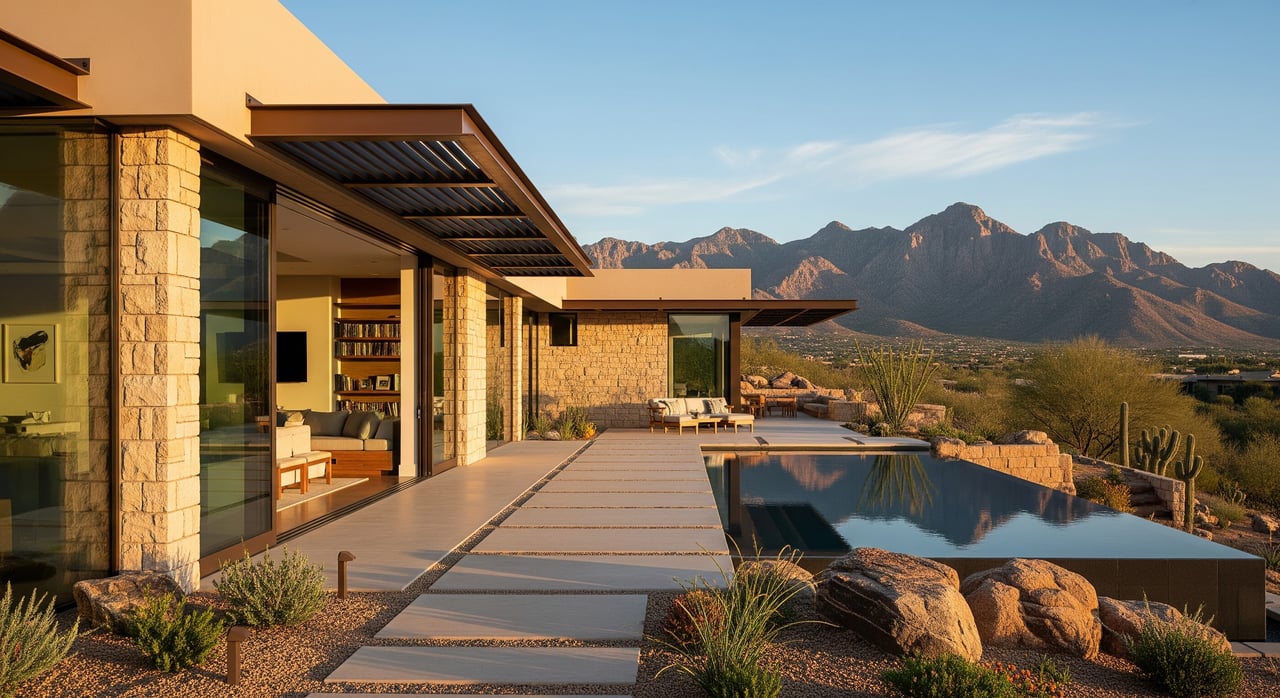
What if the right price for your Catalina Foothills home starts with design? In this market, buyers pay attention to views, architecture, and how a home feels the moment they walk in. You want a number that reflects more than square footage and bedroom count. In this guide, you will learn how to turn design features into a clear, defensible price that attracts the right buyers and supports appraisal. Let’s dive in.
Why design changes value in Catalina Foothills
Catalina Foothills buyers look for mountain views, privacy, outdoor living, and strong architectural character. Larger lots and custom homes make straight price-per-square-foot comparisons tricky. That is why your valuation should weigh design-driven elements alongside traditional comps.
When you quantify features like unobstructed Santa Catalina Mountain views, a thoughtful mid-century floor plan, or a refreshed kitchen, you build a price that reflects what buyers actually pay for. Done well, this approach can improve your days on market and your net proceeds.
Views and orientation
Not all views are equal. Unobstructed mountain or city-light views often carry a premium compared to partial or obstructed views. Orientation matters too. West-facing windows may capture sunsets, while north-facing rooms offer consistent daytime light and can influence comfort.
To price views, use a paired-sales approach. Compare recent sales within the same micro-market where the main difference is view quality. Control for size, lot, and condition, then derive a view premium range. Confirm the longevity of your view by checking nearby permits and potential development.
Architecture and provenance
Architect-designed homes, well-preserved mid-century details, and distinctive custom builds can command higher prices. Buyers here often pay for authenticity, quality construction, ceiling height, natural light, and indoor-outdoor flow.
If your home has design pedigree or documented plans, include that proof. When comps are limited, justify a premium by citing scarcity and buyer demand within your subdivision or adjacent streets. Always verify permits for major renovations to maintain buyer confidence.
Renovations and systems
Durable updates often move the needle most: kitchens, primary bathrooms, roofs, HVAC, windows, and electrical panels. In our desert climate, thoughtful xeriscaping and shaded outdoor areas also boost appeal.
Use cost-to-cure adjustments when a comp lacks an upgrade your home has, or when your home lacks something a comp has. Keep receipts, contractor bids, and permits to support your adjustments. Cosmetic refreshes like paint and flooring can deliver outsized perceived value before listing.
Staging and presentation
Staging shapes how buyers experience size, light, and circulation. In the Foothills, it should highlight view corridors and indoor-outdoor living. Aim for minimal furniture that opens sightlines toward the mountains, neutral finishes, and strong lighting.
Outdoor staging is just as important. Define seating and dining zones, show shaded comfort, and keep pool areas clear and sparkling. Track local staged versus unstaged examples to understand the impact on days on market and offer strength.
A step-by-step valuation workflow
You can price with confidence when your process is clear and repeatable. Here is a practical framework to follow.
Pre-valuation audit
Create a design and condition inventory:
- View quality, orientation, and photo evidence
- Lot size, slope, and privacy
- Architecture style and any provenance
- Kitchen and bath finishes, flooring, and natural light
- Systems and mechanicals, including roof, HVAC, windows, and panels
- Indoor-outdoor flow, hardscape, landscape, pool presence and condition
- Garage and parking
Classify each item as Premium, Typical, or Needs Work. This becomes your roadmap for adjustments and prep.
Select the right comps
Pull 6 to 12 recent closed sales and 3 to 6 active or pending listings within your micro-market. Prioritize similar lot band, square footage band, and style. Include comps with similar views and some without so you can isolate the effect of view and architecture.
Check inventory levels, days on market, and list-to-sale price ratio before you finalize strategy. Catalina Foothills can be seasonal, so confirm trends before setting your number.
Make clear adjustments
Use paired-sales where possible to isolate single differences such as a remodeled kitchen or a mountain view. If paired-sales are thin, apply cost-to-cure for missing improvements and market-based per-square-foot adjustments for size differences.
Build a simple summary sheet listing each comp, your adjustments, and the final adjusted value. For view and architecture, show your math. The spread between adjusted comps with and without view produces an empirical premium range.
Pricing strategy that fits you
You have options based on timeframe and tolerance for prep.
- Market-ready: Complete high-ROI updates and targeted cosmetic work, stage, and price at a competitive but aspirational level that reflects design and view premiums.
- Sell-as-is: Price to reflect cost-to-cure and expect negotiation. Strategic staging may still help buyers see potential.
- Timing: Spring is often active in the Sun Belt. Align prep and photography with buyer demand.
Communicate value to appraisers
Prepare a design dossier to support your price:
- Professional interior, exterior, and drone photos
- Floorplans and documented permits
- Receipts for upgrades and contractor bids
- Before-and-after images for key improvements
- Staging notes and photos
- Evidence of view permanence, such as lot maps and setbacks
Appraisers respond to clear documentation and relevant local comps. Put your paired-sales and adjustments in writing so they can follow your logic.
Local checks that protect price
Do your homework on items that can help or hinder value.
- Permits and zoning: Confirm additions, renovations, or ADUs with Pima County Planning and Development Services. Unpermitted work can reduce buyer confidence.
- Title and easements: Review recorded easements, view protections, and any restrictions that affect use.
- Hazard and risk: Check FEMA flood maps and consider hillside erosion or wildfire risk. Maintain defensible space where appropriate.
- Public records: Verify parcel details and tax history through county sources.
Quick design checklist for sellers
Use this targeted list to prioritize work before you price.
Exterior and lot
- Trim or prune to open views, where allowed
- Refresh gravel or mulch and showcase native plantings
- Repair tile and decking around pools
- Stage outdoor seating and dining areas with shade
Interior presentation
- Declutter and remove visual distractions from key view lines
- Neutralize kitchens, living areas, and the primary suite where feasible
- Clean windows, replace bulbs with daylight-balanced lighting
- Remove heavy draperies and highlight architectural features with subtle accent lighting
Photo and tour plan
- Capture golden-hour views of the Santa Catalinas
- Use drone photography to show lot position and privacy
- Use virtual staging only when disclosed and done thoughtfully
Cost versus uplift
- Must-fix: Safety and permitting issues
- High-ROI: Kitchens, primary baths, lighting updates
- Quick wins: Paint, flooring refresh, hardware
- Optional: Luxury add-ons that suit your buyer pool
Build a simple ROI worksheet with estimated cost, expected sale price lift range, and likely payback timeline.
What adds value outdoors
In the Foothills, many buyers expect comfortable outdoor living. Pools, shaded patios, and low-water landscaping can increase marketability when they are well maintained and functional. Focus on condition, safety, and usable layout rather than adding features without a clear plan.
Case study approach to ROI
If you are weighing staging or light renovations, track local examples. Compare staged versus unstaged listings with similar specs and view quality. Note days on market, number of showings, and final sale price. Use that data to set a realistic budget and target uplift before you list.
Ready to price with design
A design-driven valuation honors what Catalina Foothills buyers value most. When you combine a detailed audit, the right comps, clear adjustments, and presentation that highlights your home’s best features, you set a price that feels right and proves out in the market.
If you want a valuation that reflects your view, architecture, and updates, let’s talk. Request your free home valuation with Unknown Company.
FAQs
How much is a Catalina Mountain view worth in pricing?
- It depends on view quality and scarcity, so compare nearby closed sales that are similar except for the view and present the premium as a documented range.
Should I renovate before listing in Catalina Foothills?
- Prioritize safety and permits first, then high-ROI updates like kitchens, primary baths, and systems, and consider quick cosmetic wins that improve perceived value.
How does staging impact higher-end homes in the Foothills?
- Professional presentation can shorten time on market and improve perceived value, especially when it highlights views and architectural lines rather than hiding them.
How do I support a design premium with an appraiser?
- Provide paired-sales comps, receipts and permits, professional photos that show view permanence, and any design documentation to back up your pricing logic.
Do pools and outdoor kitchens add value in Catalina Foothills?
- In this climate, well-maintained pools and functional outdoor living often increase marketability, with condition and usability mattering more than simply having the amenity.
