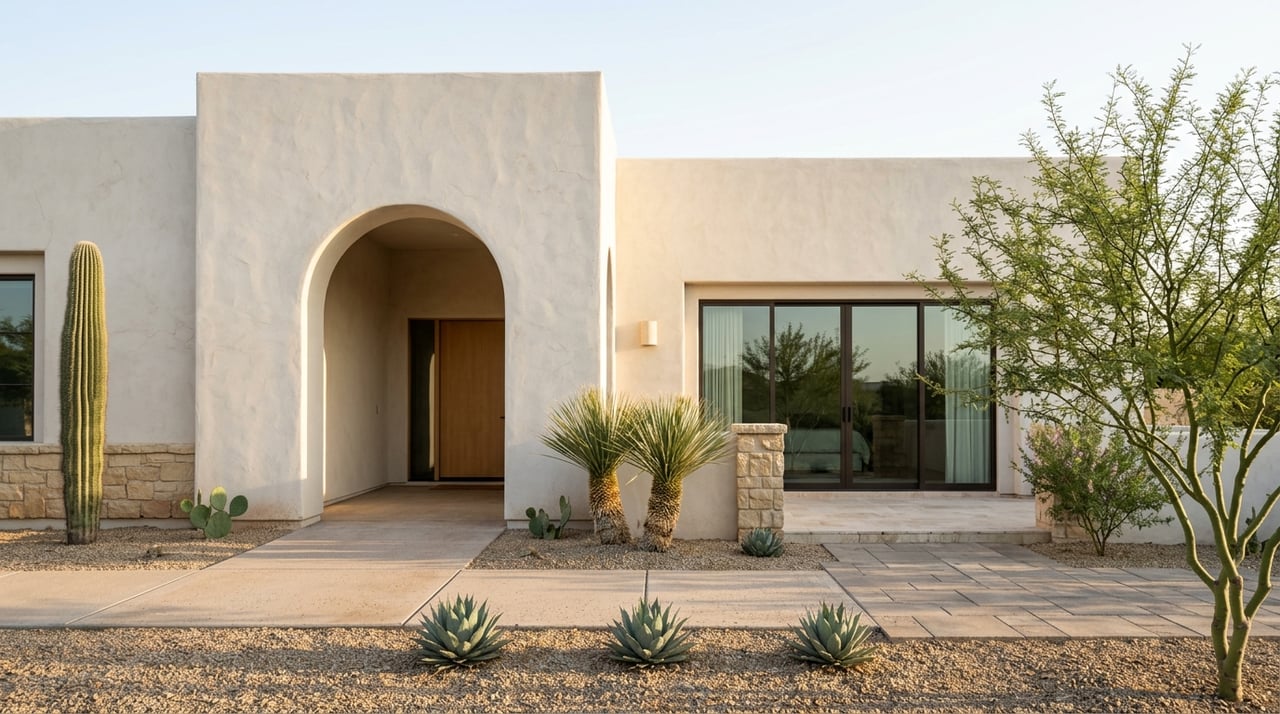
Wondering why homes in Catalina Foothills feel so distinct from other parts of Tucson? It is not just about price point, views, or lot size. The area has its own architectural language, shaped by desert conditions, early development choices, and a long-running focus on homes that fit the Sonoran landscape. If you are buying, selling, or simply getting to know the area, understanding these styles can help you spot character, evaluate updates, and appreciate what makes a Foothills property stand out. Let’s dive in.
Why Catalina Foothills Looks Different
Catalina Foothills was never meant to be a place of look-alike homes. Early planning in the 1920s, tied to John and Helen Murphey and architect Josias Joesler, emphasized large lots, privacy, preserved desert vegetation, and views of the mountains and Tucson below. That early vision still influences how many homes feel today.
In the original Foothills Estates areas, design guidance continues to favor architecture that works with the desert rather than against it. That means you will often see homes set into the land, oriented toward outdoor living, and designed to preserve a sense of openness. Instead of one single style, the result is a layered mix of Southwestern and regionally responsive architecture.
Tucson’s climate also helps explain the design choices you see over and over. With annual average highs around 84 degrees and average highs near 100 degrees in June and July, features like shaded entries, courtyards, covered patios, and deep overhangs make practical sense. In Catalina Foothills, architecture often reflects both visual character and day-to-day comfort.
Spanish Colonial and Spanish Eclectic
One of the most recognizable style families in Catalina Foothills is Spanish Colonial Revival and related Spanish Eclectic design. These homes are closely tied to the area’s early identity and remain some of the most iconic properties in the market. They often feel formal, timeless, and strongly connected to the landscape.
You may notice features such as red clay tile roofs, asymmetrical facades, balconies with iron railings, arched openings, decorative entries, and courtyard-centered layouts. Some versions keep more box-like massing with tiled entries and arches, which is often associated with Spanish Eclectic forms. In the Foothills, these homes frequently pair classic detailing with generous outdoor spaces and long views.
For buyers, this style often appeals if you want a home with warmth, architectural presence, and a strong sense of place. For sellers, original details like tile, ironwork, wood beams, and preserved courtyard relationships can be important character points to highlight. In a market like Catalina Foothills, those design elements often help a home feel authentic to its setting.
Pueblo Revival and Post-War Pueblo
If you love a distinctly Southwestern look with simpler ornament, Pueblo Revival may be the style that catches your eye. These homes are usually defined by earth-toned stucco, flat roofs, rounded or stepped parapets, and projecting roof beams known as vigas. The overall effect is grounded, sculptural, and closely tied to regional building traditions.
Post-war Pueblo homes keep much of that same visual language, though they may include features like metal casement windows, decorative vigas, and canales. The style tends to feel quieter than Spanish Colonial, with less decorative detail and more emphasis on shape, texture, and massing. That simplicity is part of the appeal.
In Catalina Foothills, Pueblo-style homes often sit especially well in the desert landscape. Their earthy finishes and low-profile forms can feel naturally connected to the land around them. If you are considering updates to a home in this style, materials and finishes that respect that original desert character usually make the strongest visual impression.
Territorial and Sonoran Territorial
Territorial architecture occupies an important place in Tucson-area design because it bridges older Sonoran forms and later American influences. In local market language, this style often reads as one of the cleanest and least ornate Southwestern looks. It can offer regional character without heavy embellishment.
You may see stucco or brick walls, porches, simple massing, set-back siting, and in later versions, flat roofs, parapets, articulated facades, and tiled shed roofs at entries. Post-war Territorial homes may also borrow from Ranch-style planning while still keeping that distinctly Southwestern profile. The result is often balanced and easy to live in.
For buyers, Territorial homes can be appealing when you want a style that feels rooted in Tucson but slightly more restrained. For sellers, these homes often benefit from presentation that leans into their clean lines, textured materials, and understated curb appeal. A thoughtful design story can help buyers understand the style quickly.
Ranch and Burnt Adobe Ranch
Ranch homes are common across Tucson, and they show up often in Catalina Foothills as well, especially in mid-century neighborhoods and later custom properties. These homes became especially popular after World War II and remain relevant because they are practical, comfortable, and often well suited to desert living. In Tucson, many were built with burnt adobe, brick, or stuccoed concrete.
Classic Ranch features include low-pitched roofs, horizontal lines, large picture windows, sliding glass doors, and garages or carports tucked under the main roofline. In the Foothills, Ranch homes may also take advantage of larger lots and more open site planning. That can give them a relaxed feel while still capturing views and outdoor access.
Burnt adobe Ranch homes are especially notable in the Tucson area because the material itself is part of the local architectural story. These homes can offer a strong sense of permanence and regional identity. If you are selling one, preserving original masonry character while showing modern comfort updates can be a smart way to tell the home’s story.
Mid-Century Modern and Desert Contemporary
If you are drawn to cleaner lines, open layouts, and strong indoor-outdoor flow, Mid-Century Modern and contemporary homes may stand out most. During its peak popularity, the City of Tucson notes that this style was often referred to simply as Contemporary. In Catalina Foothills, this style family is closely associated with view-driven planning and a more open relationship to the site.
Common features include one-story forms, horizontal emphasis, broad overhangs, expanses of glass, varied roof planes, entry courtyards, wing walls, planters, and attached garages or carports. Floor plans may be rectilinear or more irregular, depending on the period and architect. The overall feel is often lighter, more open, and visually connected to the outdoors.
Newer desert contemporary homes continue much of this logic. While they may use more current finishes and glazing, they still tend to focus on light, shade, views, and seamless outdoor living. For buyers relocating to the Foothills, this style often delivers the immediate lifestyle connection people picture when they imagine Arizona living.
What These Styles Mean for Daily Living
In Catalina Foothills, architecture is not just about curb appeal. It often shapes how you live in the home every day. Many properties are oriented toward mountain views, city lights, privacy, and outdoor space rather than a tight street-facing experience.
That is why patios, courtyards, pools, shaded transitions, and outdoor rooms feel so central here. They are not extras added later to create a lifestyle image. In many cases, they are part of the home’s original design purpose.
This matters when you are buying because a home’s style can affect how it handles light, privacy, outdoor use, and flow. It also matters when you are selling, since buyers in the Foothills are often looking for homes that feel true to the setting. Architectural integrity and desert compatibility can shape first impressions in a big way.
What Buyers Should Notice
If you are touring homes in Catalina Foothills, try to look beyond the surface label of the style. Focus on how well the home’s design works with the lot, views, and desert surroundings. In this area, site relationship is often just as important as style name.
A few details worth noticing include:
- Courtyard layout and shaded entry sequence
- Rooflines, parapets, beams, and overhangs
- Window placement and view orientation
- Masonry, stucco, tile, and other regional materials
- Outdoor living spaces that feel integrated rather than added on
- Updates that improve comfort without erasing original character
These details can help you understand whether a home has kept its architectural identity. They can also help you compare homes that may be priced similarly but offer very different long-term appeal.
What Sellers Should Highlight
If you are preparing to sell a Catalina Foothills home, your architecture should be part of the marketing story. Buyers often respond strongly to homes that feel visually coherent and true to their setting. That does not mean a home has to be historic or untouched. It means the home’s best design features should be clear and well presented.
Useful elements to emphasize may include original tile, wood beams, vigas, courtyards, masonry, distinctive rooflines, and indoor-outdoor flow. If you have completed updates, it helps when they support the home’s regional identity rather than compete with it. In the Foothills, thoughtful presentation can make architectural value easier for buyers to recognize.
This is also where a design-focused approach matters. A home with strong bones, natural materials, and view-oriented spaces often benefits from staging and visual marketing that reinforce its style. When presentation matches the architecture, the home tends to tell a clearer story.
Keep Design Review in Mind
In the original Catalina Foothills Estates Areas 1 through 6, design review exists to help preserve desert-compatible architectural character. That means renovations and additions may require more sensitivity there than in some newer subdivisions. If you are buying with plans to remodel, or selling a home with past updates, this context is worth understanding.
That does not make these properties less desirable. In many cases, it is part of what helps the area retain such a distinctive look over time. It simply means architectural character is not accidental in many parts of the Foothills.
Whether you are buying or selling, it helps to work with someone who understands how design, setting, and presentation all connect in this market. If you want guidance on how a home’s architecture may influence its appeal or value in Catalina Foothills, Lisa Ambroziak can help you see the bigger picture.
FAQs
What architectural styles are most common in Catalina Foothills?
- Catalina Foothills commonly features Spanish Colonial Revival, Spanish Eclectic, Pueblo Revival, Territorial, Ranch, Mid-Century Modern, and newer desert contemporary homes.
What makes Catalina Foothills homes different from other Tucson homes?
- Catalina Foothills homes often reflect large-lot planning, privacy, preserved desert vegetation, mountain or city views, and architecture designed to work with the Sonoran Desert rather than follow one uniform style.
What defines Spanish Colonial homes in Catalina Foothills?
- Spanish Colonial and related Spanish Eclectic homes often include red clay tile roofs, arched openings, decorative entries, courtyards, asymmetrical facades, and iron details.
What should buyers look for in a Catalina Foothills architectural style?
- Buyers should pay attention to how the home fits the lot, captures views, uses shade, connects indoor and outdoor spaces, and preserves materials and details that feel authentic to the desert setting.
What architectural features can help a Catalina Foothills home stand out when selling?
- Sellers can highlight original features such as tile, beams, vigas, courtyards, masonry, rooflines, and upgrades that improve comfort while keeping the home’s regional character intact.
What is design review in Catalina Foothills Areas 1-6?
- In the original Catalina Foothills Estates Areas 1 through 6, design review helps preserve desert-compatible architectural character, so renovations and additions may be more sensitive in those areas.
